Nuclear Reactors Promoted as Climate Option Amid Cost and Safety Debate
10/19/2026 / By Iva Greene
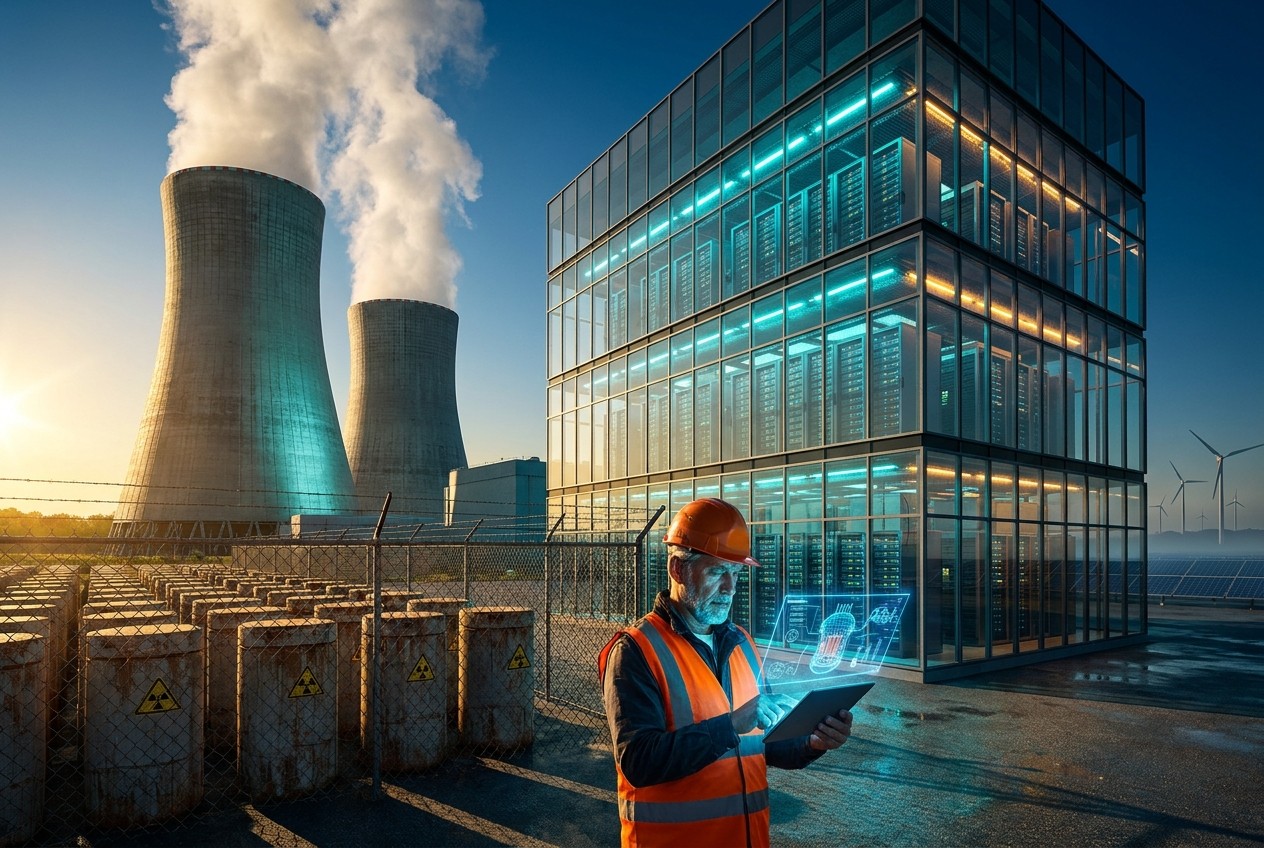
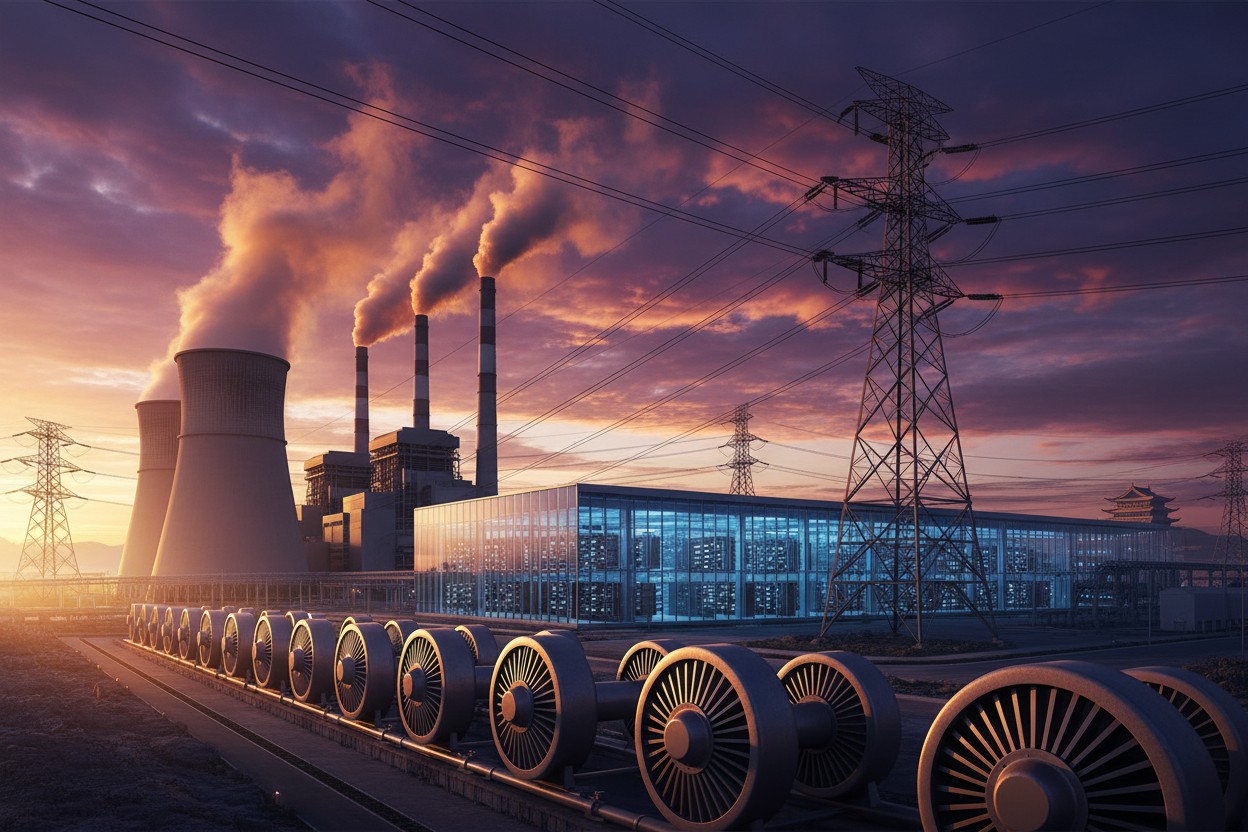
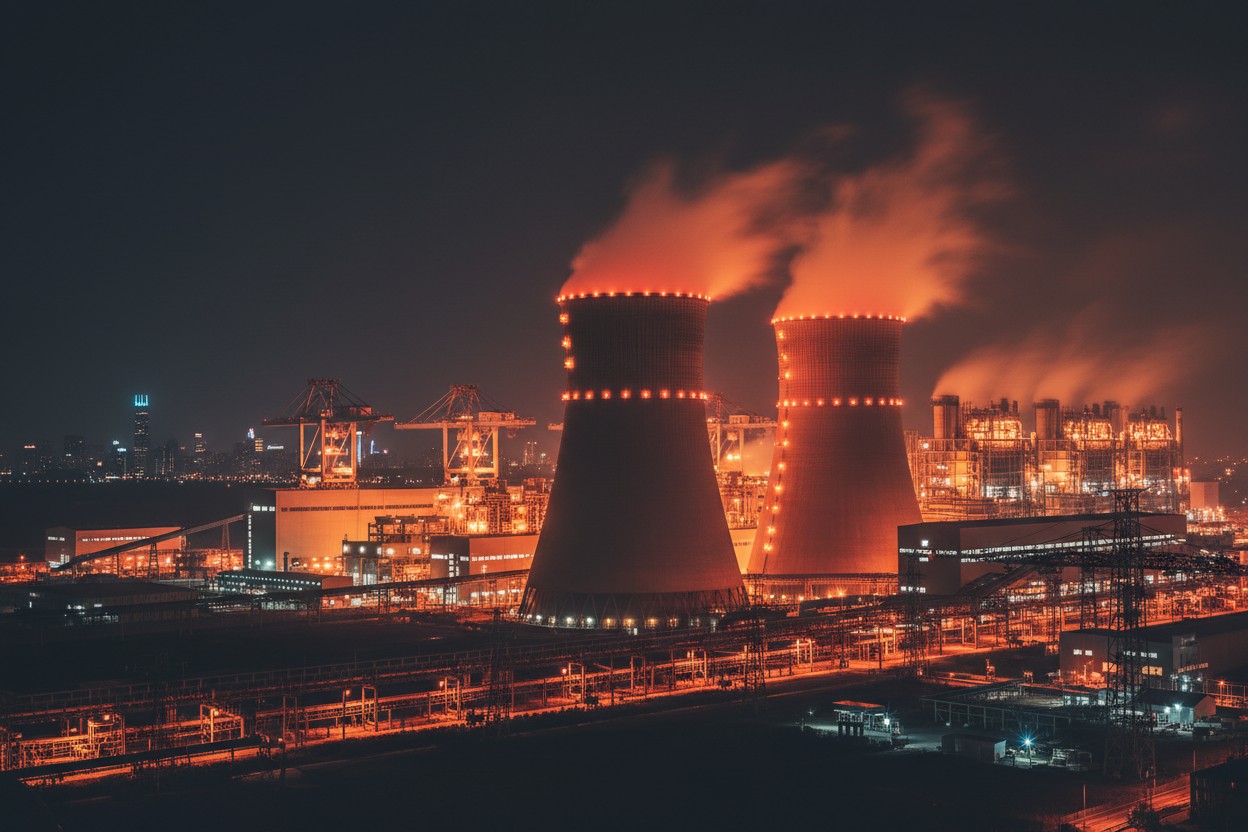
The U.S. is making an unprecedented attempt to revive three shuttered nuclear plants to meet growing demand, especially from data centers, the Associated Press reported [1]. The move comes as government and industry officials promote nuclear reactors as a tool for addressing climate concerns, while critics raise questions about cost, radioactive waste and safety.
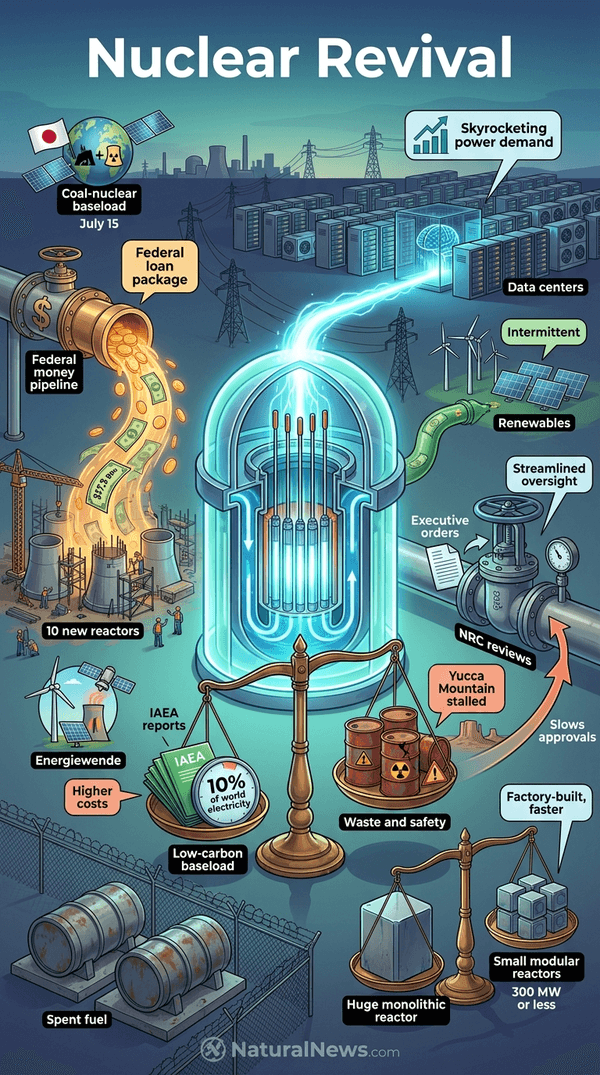
The Trump administration is providing $17.5 billion to speed the development of 10 new large nuclear reactors to meet what officials describe as skyrocketing power demand from massive data centers [2]. Proponents cited in the report include energy officials and nuclear industry representatives; critics include environmental and public-interest groups.
The debate is taking place as governments weigh energy plans and emissions targets. Japan announced a policy shift on July 15 that emphasizes reliable baseload power from nuclear and coal-fired generation over previous decarbonization commitments, according to government statements and news reports [3].
Reactors Positioned as Climate Tool
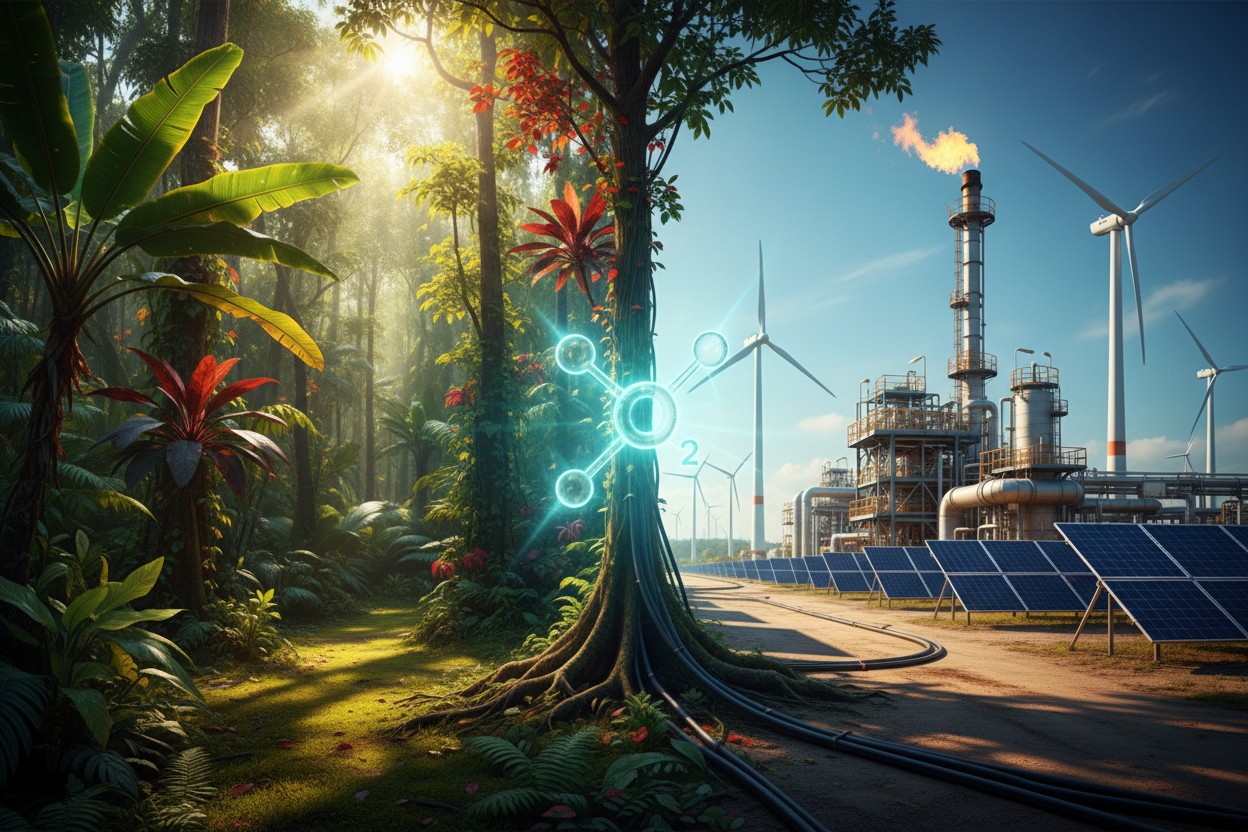
Industry officials say nuclear reactors can provide continuous low-carbon electricity and support grid reliability. The International Atomic Energy Agency states that nuclear power is a low-carbon source of energy and that in 2018 it produced about 10% of the world’s electricity [4]. The agency also states that nuclear power’s total greenhouse gas emissions remain extremely low, comparable to wind and lower than solar, because reactors produce electricity without releasing carbon dioxide during operation [5].
Government officials cited in the article say reactors are included in some energy strategies meant to reduce emissions. Proponents state that nuclear power can complement renewable sources and help meet baseload demand.
The report quoted supporters as saying that reactor technology has advanced and that new designs are under review. Robert Bryce writes that small modular reactors, generally defined as any reactor with a capacity of 300 megawatts or less, cost a fraction of larger reactors and can be deployed as single or multiple units [6]. Newt Gingrich writes that a maze of regulations effectively prevents the spread of nuclear power, which he describes as a clean, cheap, zero-emission source of electricity [7].
Costs, Waste and Safety Questions
Critics say reactor construction has faced delays and cost overruns. A 2008 study in the journal Energy Policy put the initial investment for a reactor at approximately US$2 billion to US$3.5 billion [8]. The same study noted that although the carbon emission issue favors deployment of nuclear power plants, other environmental issues are serious burdens, including radioactive waste disposal and possible radiation release [9].
Opponents also raise concerns about long-term radioactive waste storage and accident risks. Nancy Irwin Maxwell writes that the nuclear power industry was moribund in the U.S. for decades, with no new plants coming online and little progress in resolving the difficult issues around transporting and storing the radioactive wastes that plants produce [10]. Public-interest groups quoted in the report say funds for nuclear projects could be directed to other energy options.
Officials say regulatory reviews and safety assessments continue. President Trump signed four executive orders to revive nuclear energy, with the directive targeting the Nuclear Regulatory Commission for streamlined oversight and mandating faster reactor development [11]. The administration’s loan package for 10 new large reactors is intended to speed development to meet data center demand [2].
Debate Over Climate Claims and Energy Priorities
Some critics cited in the report question climate projections and argue that carbon dioxide benefits plant growth. Other parties say nuclear subsidies centralize energy production and divert support from decentralized alternatives. The Center for Research on Globalization has argued that the unregulated use of nuclear power has a much greater impact on the environment and climate compared with carbon dioxide and other fossil fuel emissions [12].
Supporters counter that reactors are needed for emissions reductions and energy security. The Associated Press reported that the push to revive shuttered plants is driven by growing electricity demand, especially from data centers [1]. Japan’s policy shift toward nuclear and coal-fired baseload power was accompanied by officials citing energy security concerns [3].
The article included quotes representing these perspectives without endorsing any position. Former German energy executive Fritz Vahrenholt has described Germany’s energy policy as having raised costs for households and businesses, linking the phase-out of nuclear power and reliance on imported energy to economic strain, according to a report cited by NaturalNews.com [13].
Conclusion
The Associated Press report stated that the U.S. is making an unprecedented attempt to revive three shuttered nuclear plants to meet growing demand, especially from data centers [1].
Officials said reviews and policy discussions are expected to continue. The Trump administration’s $17.5 billion loan package for 10 new large reactors and the effort to revive three shuttered plants are moving forward amid the debate [2]. The report stated that no consensus was reached among the parties quoted.
References
- US revives closed nuclear plants as electricity demand grows. https://apnews.com/article/climate-nuclear-power-reactors-21dd249d5e03667b6d4c06687777c859
- Trump administration announces billions in loans for new nuclear …. https://apnews.com/article/nuclear-reactors-energy-trump-wright-57841139aca7d2780a12256692b96fc5
- Japan Prioritizes Energy Security Over Climate Targets, Officials Say – NaturalNews.com, July 19, 2026.
- Nuclear power and climate change | IAEA. https://www.iaea.org/topics/nuclear-power-and-climate-change
- Five Reasons the Clean Energy Transition Needs Nuclear Power. https://www.iaea.org/newscenter/news/five-reasons-the-clean-energy-transition-needs-nuclear-power
- Smaller Faster Lighter Denser Cheaper How Innovation Keeps Proving the Catastrophists Wrong by Robert Bryce
- To Save America by Newt Gingrich
- Hidden biases in Australian energy policy by August Schläpfer. Energy Policy 2008
- GLOBAL ELECTRIFICATION AND NUCLEAR POWER: TOWARD SUSTAINABLE GROWTH IN THE NEW MILLENNIUM by Acrobat 3.0 Capture Plug-in. Progress in Nuclear Energy 37 (1-4) 2000
- Understanding environmental health how we live in the world by Maxwell Nancy Irwin author
- Trumps nuclear renaissance Push for energy dominance sparks debate over safety and speed – NaturalNews.com, May 27, 2025.
- Climate activists funded by major corporations fail to see the big picture_ Nuclear war is the actual threat NOT – NaturalNews.com, December 03, 2020.
- German Expert Warns: Green Energy Policies Carry Severe Economic, Social Consequences. https://www.naturalnews.com/2026-10-05-expert-green-energy-policies-carry-severe-consequences.html
Explainer Infographic
Submit a correction >>
Tagged Under:
big government, carbon dioxide, climate change, dangerous, data centers, Donald Trump, ecology, electricity, energy supply, environment, green living, Green New Deal, green tyranny, national security, nuclear, nuclear plant, power, power grid, power plant, propaganda, supply chain, White House
This article may contain statements that reflect the opinion of the author
RECENT NEWS & ARTICLES